Kingswood and Tadworth this Remembrance Sunday
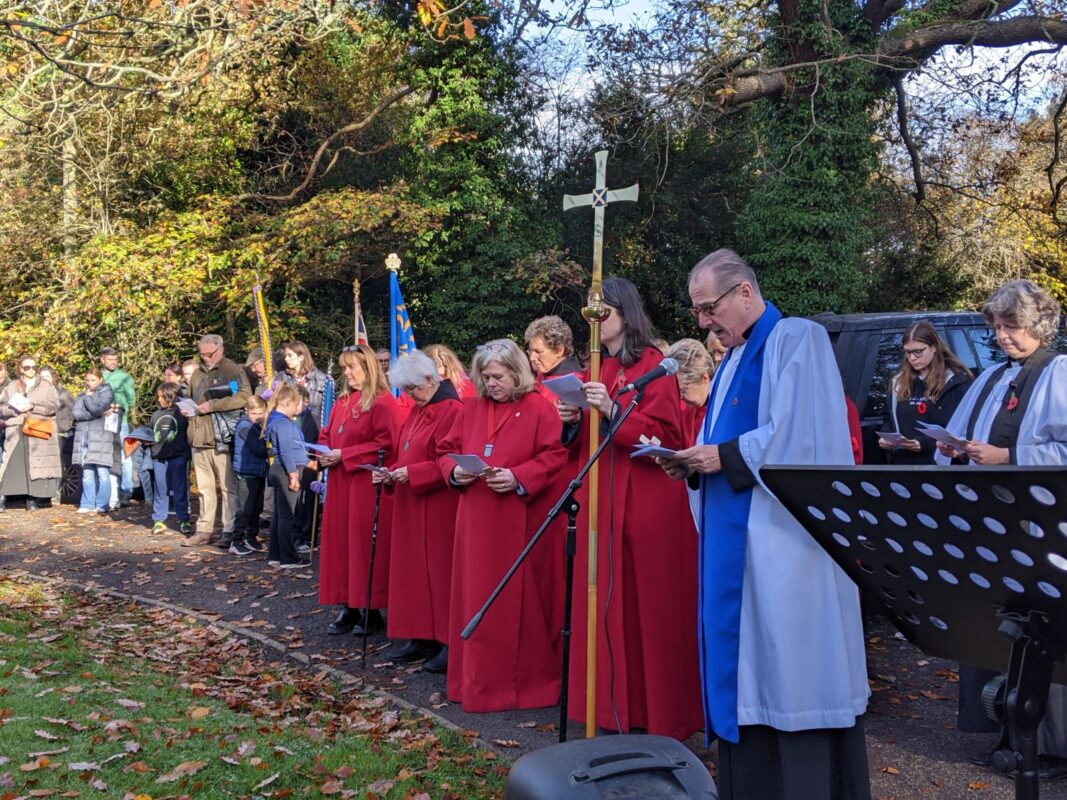
Members of the Walton and Tadworth History Society took part in this years Kingswood Remembrance event. As with most years a parade took place followed by a service that was well attended by members of the public.
This year marked not only the 80th anniversary of VE Day, but also, back in August, of VJ Day and it seemed appropriate to say a few words about the men of Kingswood and Lower Kingswood who died in the Far East during WWII. There were six of them and they were part of what became known as the ‘Forgotten Army’. They often fought in dreadful conditions, and some of them were subjected to the most inhumane treatment imaginable.
They were:
Brian Palliser Barrow, whose parents lived in The Glade. He was caught up in the Fall of Singapore. Brian was serving in Singapore with the Northamptonshire Regiment. He died on 15th February 1942, at the end of the eight-day battle which resulted in the unconditional surrender of all Allied Forces on the island. He was 23 and was one of the 107 British soldiers buried in a mass grave in Singapore General Hospital.
Herbert Baker Phillips, whose parents lived in Waterhouse Lane. He was a captain with 8th Brigade HQ, 13th Frontier Force Rifles, in Singapore when he went missing, presumably killed in action, on 11th February 1942. His body was never recovered and his name appears on the Kranji War Memorial, in Singapore. He was 28.
Maurice George King, who was married and lived in Green Lane before the war. He served in the Royal Air Force Volunteer Reserve and was taken prisoner by the Japanese in Singapore. He died on 29th November 1943, aged 34. His final resting place is unknown and his name, too, appears on the Kranji Memorial.
The Burma-Siam railway (also referred to as the Railway of Death) was a Japanese project which cost the lives of about 12,000 to 13,000 Commonwealth, Dutch and American prisoners of war and of 80,000 to 100,000 Asian labourers. Starved of food and medicine and working with primitive tools, these men became living skeletons, falling ill with malnutrition, dysentery, cholera, dengue fever and beri-beri.
Albert Robert Kitchener Underwood, whose father worked in Kingswood as a gardener and chauffeur, was a gunner in the Royal Artillery. He became a Japanese prisoner of war after the fall of Singapore and died on 6th October 1943. He was buried in Kanchanaburi War Cemetery, in Thailand, an indication that he might have been sent to work on the infamous Burma railway.
Robert William John Cornish, whose connection with Kingswood must have been through his parents, was a signalman in the Royal Corps of Signals. He was captured in Singapore on 15th February 1942. He died in a Thai prisoner of war camp on 26th October 1944 and was buried in Kanchanaburi War Cemetery.
And finally, we have Harry Luscombe, the eldest son of a local farmer, whose widowed mother lived in Margery Lane. He initially joined the Hampshire Regiment and subsequently became attached to the 152nd Indian Parachute Battalion.
The Battle of Sangshak was fought in the mountainous frontier area between India and Burma by the 50th (Indian) Parachute Brigade, of which Harry Luscombe’s Battalion formed part. The Brigade played a vital part in holding off the advances of two Japanese Divisions heading for the border with India. The battle lasted for six days between 19th and 24th March 1944 and was fought in absolutely appalling conditions.
Harry Luscombe was at first reported as ‘missing’, when in fact he had been killed, on 20th March as the Brigade had just received orders to concentrate its disseminated forces in order to avoid total annihilation.
In his report, Lt Colonel Paul Hopkinson, the Officer commanding the 152nd Indian Parachute Brigade, later wrote:
Our weapon pits were a shambles of dead and dying, both our own and Japanese. It was impossible to be certain who was still alive or be certain of the fate of individuals. All that could be done afterwards was to classify individuals as ‘Missing’ though one was certain in one’s mind that they must have been killed or died of wounds.
Captain Harry Luscombe was among them and was buried in a communal grave at Imphal War Cemetery. He was 25.
152nd Indian Para paid a heavy price, losing 80% of its strength in the battle. All in all, however, the Japanese suffered greater losses, to such an extent that the impetus of their attack was slowed down, enabling Imphal and Kohima to be reinforced. In the ensuing Battle of Kohima, the Japanese failed to secure the entire ridge and were forced to retreat. They would never get another chance to invade India.
Let us, in memory of those six men, hear again the words of the Kohima Epitaph:
When You Go Home, Tell Them of Us And Say
For Your Tomorrow, We Gave Our Today
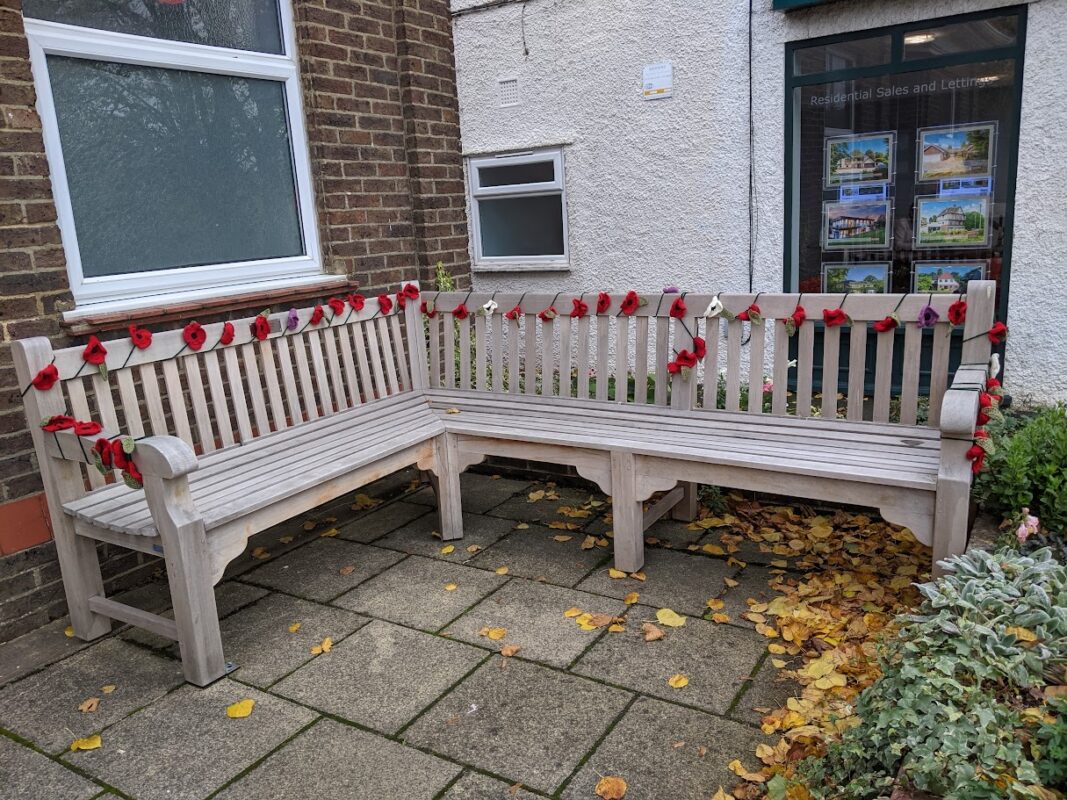
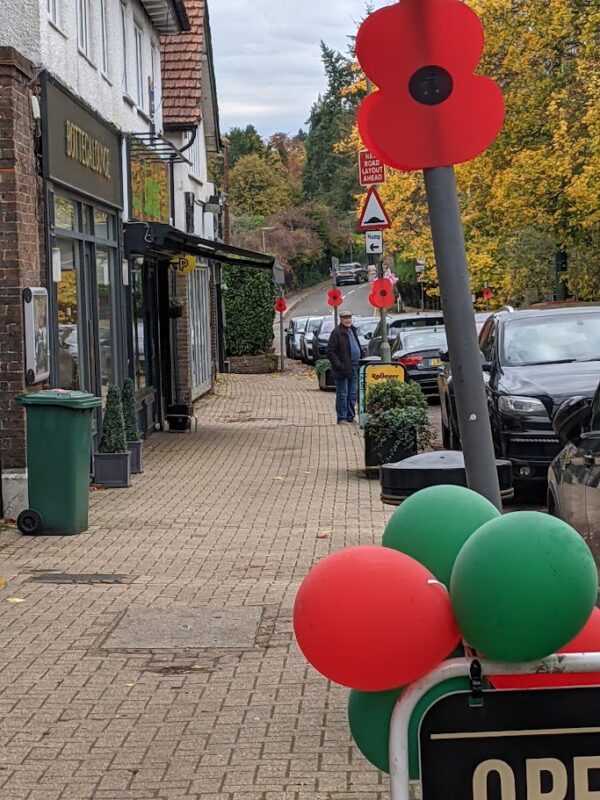
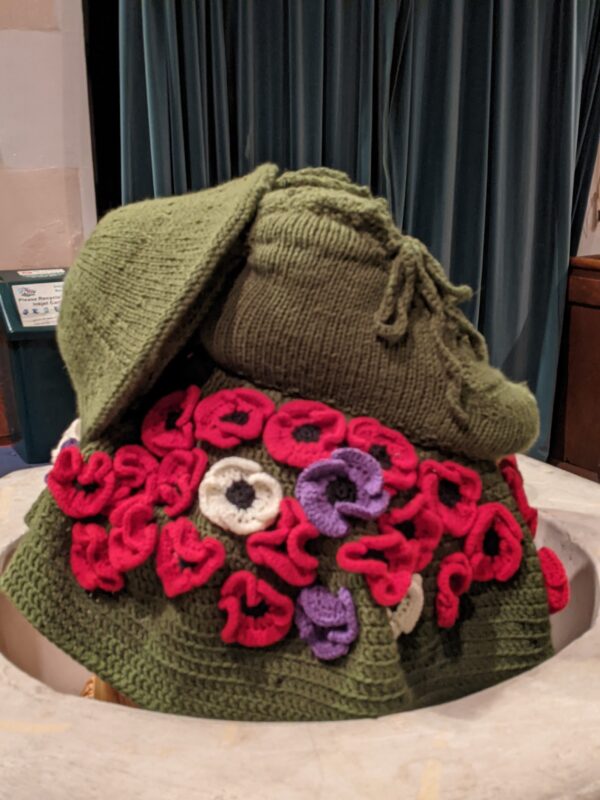
Here are a few pictures taken at the event: